
Demand for qualified electronics technicians and energy technicians in shipbuilding is high—and continues to rise. Electric marine motors, automated control systems, and growing demands for energy efficiency and environmental protection are opening up new career fields and creating a lasting need for skilled workers who bridge both worlds: technical craftsmanship and digital systems expertise. This article highlights the industries where electronics technicians and energy technicians are employed, outlines realistic salary ranges and career paths—and, using a concrete real-world example from the outfitting phase of a research vessel, provides direct insight into what these skilled workers actually do at a shipyard.
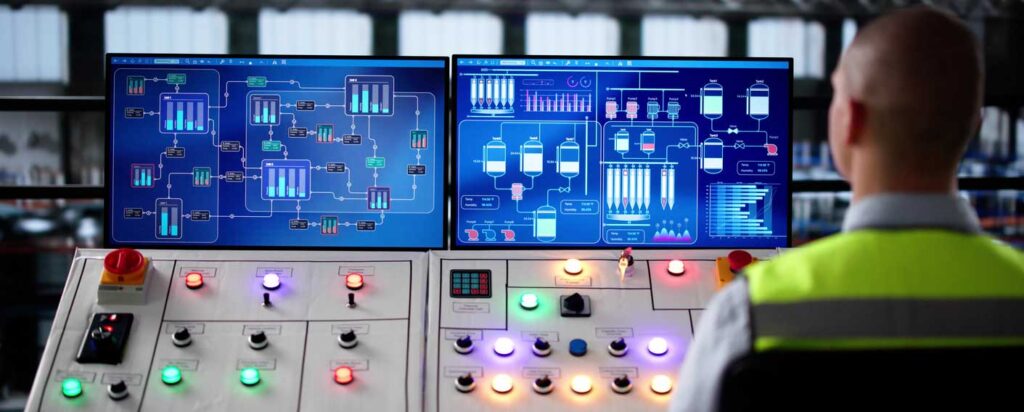
Industries and Fields of Application – Where Electronics Technicians Work in the Maritime Sector
Electronics technicians and energy technicians with experience in shipbuilding are in high demand across a wide range of industries and companies. The expertise they bring—installing, testing, and operating electrical systems under demanding conditions—is not limited to shipyards but is valuable across many sectors of the maritime and industrial sectors:
- Shipyards: The classic entry-level field. Here, electronics technicians work on equipping new ships, repairing and modernizing existing ships, and commissioning all electrical systems prior to handover to the shipowner.
- Supplier companies: Manufacturers of marine components—switchgear, cable systems, power distribution systems, control systems, and navigation equipment—need electronics technicians for development, manufacturing, assembly, and after-sales service.
- Shipping companies and technical fleet services: Shipping companies employ their own electricians for the ongoing maintenance of their fleets. Technical management companies that manage ships on behalf of owners are also major employers.
- Manufacturers of marine propulsion systems and power generation equipment: Companies such as Wärtsilä, ABB Marine, Rolls-Royce Marine, and MAN Energy Solutions develop and sell propulsion systems, generators, and energy management solutions for ships—and need electrical engineers and technicians for development, sales, and service.
- Offshore Industry: Offshore wind farms, drilling platforms, and offshore support vessels require extensive electrical systems. The demand for electrical technicians in the offshore wind industry is growing alongside the Europe-wide expansion of offshore renewable energy.
- Testing laboratories and classification societies: Organizations such as DNV, Lloyd's Register, Bureau Veritas, and Germanischer Lloyd need electrical engineers to inspect, certify, and approve electrical systems on ships in accordance with applicable standards. These positions require broad technical expertise and offer an interesting scope of responsibilities outside of production.
Career Paths – From Apprenticeship to Management Positions
After completing their training, electronics technicians and energy technicians have a wide range of opportunities for professional advancement. These paths lead to the levels of technician, master technician, and engineer—depending on their personal interests and desired area of responsibility:
- State-Certified Technician (Electrical Engineering or Energy Engineering): Enables a transition from the operational level to the planning and coordination level. Technicians take on shift and assembly supervision, quality assurance tasks, and technical project support.
- Industrial Foreman in Electrical Engineering: Qualifies the holder to provide training and lead a team; with sufficient professional experience, it enables the holder to work independently as a subcontractor or business owner.
- Bachelor's or Master's degree in Electrical Engineering, Energy Engineering, or Marine Engineering: Opens doors in design, development, project management, and international consulting. Many universities offer part-time degree programs that recognize professional experience.
- Electrical Engineering Project Manager: Responsible for all electrical equipment in a shipbuilding project—from planning through installation to final acceptance. One of the highest-paying positions at shipyards.
- Plant Commissioning Engineer: Specialist in the technical handover of new systems—at the shipyard, but also on-site at customer locations worldwide. A combination of in-depth expertise and international mobility.
- Energy Consultant in Shipbuilding: Analyzes the energy needs of shipping fleets, develops optimization strategies, and oversees their implementation—a growing field in the context of the IMO’s climate goals.
Salary – What Electronics Technicians and Energy Technicians Earn in Shipbuilding
Salaries depend on qualifications, work experience, area of specialization, region, and employer. The following figures can serve as a realistic guide:
| Position / Qualification Level | Gross Monthly Salary | Special Features |
|---|---|---|
| Electronics Technician in Industrial Engineering / Energy & Building Systems (Entry-Level) | 2,800–3,500 € | Base amount without allowances |
| Electronics Technicians with Professional Experience and Specialization | 4,000–5,000 € | High-Voltage, Hybrid Drives, Automation |
| Energy and Environmental Engineer | 3,800–5,000 € | Significantly higher in the offshore sector |
| Electrical Engineering Project Manager | starting at €5,000 | Management responsibilities, budgetary responsibilities |
| Commissioning Engineer / Energy Consultant | starting at €5,000 | International, often with package tours |
| Independent Electrical Contracting Firms | Varies (depending on the project) | Shipyard and Port Contracts, Maintenance Contracts |
In addition to these base salaries, there are often allowances that can significantly increase total income: shift allowances for early, late, and night shifts; overseas allowances for assignments outside Germany; onboard bonuses for work on board; and project bonuses during the final assembly phase, when overtime is common. Particularly in the offshore industry and during international service assignments, these bonuses can exceed the base salary by 20 to 40 percent.
Self-Employment as a Career Option
With a master craftsman’s certificate and sufficient professional experience, the path to self-employment is also open. Small and medium-sized electrical contracting firms provide installation and maintenance services for shipyards, ports, and smaller shipping companies. Those who have built a strong network over the course of their career can draw on existing contacts as business founders and gradually develop their own client base. Areas particularly well-suited for independent electrical contracting firms in the maritime sector include maintenance work on yachts and small vessels, taking on installation projects for shipyards as a subcontractor, and providing service calls for shipping companies in port areas.

Case Study: Electronics Technicians During the Outfitting Phase of a Research Vessel
A concrete, real-world example helps illustrate the work of electronics technicians and power engineers in shipbuilding. A large research vessel is to be outfitted for an international mission. The steel structure is complete, the main engines are installed—now the most labor-intensive phase for the electricians begins: the outfitting phase.
Laying Cable Traces
First, the electronics technicians begin laying the cable routes. Thousands of meters of cable are precisely routed along the bulkheads, decks, and corridors—from the engine rooms to the bridge, from the laboratories to the cabins and research facilities. These cables are used for power supply and data transmission: high-voltage cables for motors and equipment, control cables for automation systems, and data cables for navigation systems and scientific measuring instruments.
Each cable must be carefully selected: The cross-sectional area must be large enough to carry the current without excessive voltage drop or heat generation, but it must not be unnecessarily large, as weight is a critical factor on a research vessel. All cables must be installed in a manner that protects them from moisture and fire—the classification society’s regulations apply to every single cable.
Power Distribution, Emergency Power Systems, and Switchgear Cabinets
At the same time, electronics technicians specializing in energy and building systems install the power distribution systems, emergency power systems, lighting units, and control panels. Each of these components is individually tested for functionality, voltage, and insulation resistance—even before it is integrated into the overall system. Faults detected at this stage can be corrected on-site; faults that are overlooked can lead to hazards during onboard operation.
In the next step, the electricians will test the automatic control systems for pumps, ventilation systems, and air conditioning units. These systems are particularly important on a research vessel: The laboratories require stable environmental conditions; sensitive measuring instruments are highly susceptible to temperature fluctuations and vibrations. Any malfunction in the climate control system can interfere with the research work.
Monitor and Optimize Energy Flow
During this phase, the energy and environmental engineers are busy monitoring and optimizing the energy flow. On a modern research vessel with a hybrid propulsion system, energy flows from the diesel generators to the battery storage systems, and from there to the electric motors and to the on-board consumers—laboratories, navigation systems, air conditioning, and laboratory equipment. These complex energy flows must be adjusted so that the system operates efficiently and stably under all operating conditions.
They adjust parameters, calibrate sensors, and adapt the energy management system to actual consumption figures—first at the shipyard, then during sea trials under real-world conditions. Special attention is paid to exhaust aftertreatment: The systems must be calibrated so that the ship remains within the permissible emission limits while simultaneously recovering the maximum amount of energy from the engines’ waste heat.
Final Acceptance and Handover
At the end of the outfitting phase, electronics technicians and engineers work together on the final acceptance testing of all electrical systems. During this process, all circuits, protective devices, and automatic functions are systematically tested and documented. The classification society verifies that all systems comply with classification regulations. Only when all systems are operating safely and reliably is the ship considered technically ready for service and can it be handed over to the client. The complete documentation—test reports, cable lists, circuit diagrams, and operating manuals—is just as much a part of the acceptance process as the technical functionality itself.

Future Outlook – Electronics Technicians as Key Professionals in Digital Shipping
As digitization, automation, and the green transition in the shipping industry continue to advance, the importance of electronics technicians and energy technicians in shipbuilding is steadily growing. Three structural trends are driving this development:
- Electrification of Drivetrains: Hybrid and fully electric propulsion systems require significantly more electrical engineering expertise than ships powered solely by diesel. Every new ship with an electric propulsion system creates a need for specialized electronics technicians who can install, configure, and maintain these systems.
- Smart Ships and Autonomous Systems: Increasing automation, remote control, and autonomous navigation require increasingly complex electrical and electronic systems—and skilled professionals who can understand, program, and operate them.
- IMO Climate Goals and Green Shipbuilding: The International Maritime Organization’s (IMO) binding emissions targets for 2030 and 2050 require extensive technical adjustments to the entire global merchant fleet—a long-term challenge for energy and environmental engineers.
Electronics technicians and energy technicians bring power and intelligence to ships. Without them, no engine would run, no navigation system would work, and no ship would reach its destination safely. Whether working on traditional diesel systems or modern high-voltage propulsion systems, they install, adjust, and commission the equipment, and then ensure long-term operational reliability through maintenance and servicing. This combination of technical expertise and cutting-edge technology makes electronics technicians and energy technicians in shipbuilding one of the most attractive career fields in the maritime industry.
Frequently Asked Questions About Careers and Salaries for Electronics Technicians in Shipbuilding
The field of work is broad: shipyards for new construction and repairs, suppliers of ship components, shipping companies and technical fleet management firms, manufacturers of marine propulsion systems and power generation equipment (e.g., Wärtsilä, ABB Marine, MAN Energy Solutions), the offshore wind industry, as well as testing institutes and classification societies such as DNV or Lloyd’s Register. In addition, much of this knowledge is transferable to industrial plant engineering and onshore energy supply—which makes this profession particularly resilient to economic downturns.
Electrical engineering project managers in shipbuilding—that is, professionals responsible for all electrical equipment in a shipbuilding project, from planning through acceptance—typically earn a gross monthly salary starting at 5,000 euros. Depending on the company, project size, and experience, salaries of 6,000 to 7,000 euros or more are also possible. In addition, performance bonuses are often awarded when projects are completed on time and within budget.
The outfitting phase—also known as „fitting out"—begins after the ship has been launched or is afloat in the dry dock. During this phase, all technical systems are installed and commissioned: Electricians run cable trays and install switchgear; mechanics install auxiliary machinery; plumbers connect piping systems; and interior finishers fit out cabins and public areas. The outfitting phase is the most labor-intensive phase for electricians—and does not end until all systems have been tested, accepted, and documented.
Various allowances can significantly supplement the base salary: shift allowances (early, late, night, and weekend work) ranging from 15 to 30 percent of the hourly wage; overseas allowances for assignments outside Germany (often a flat rate of 50 to 150 euros per day); on-board bonuses for work performed directly on board; and project allowances during final assembly and commissioning phases. In the offshore industry, allowances are particularly high—total compensation there can exceed the base salary by 30 to 50 percent.
With an Industrial Master Craftsman in Electrical Engineering or a Master Craftsman in Electrical Engineering, you can start an electrical contracting business. In the maritime sector, the following business areas are particularly promising: installation and maintenance contracts for shipyards as a subcontractor, maintenance contracts with shipping companies for their vessels in their home ports, electrical installations on yachts and recreational boats, and service calls for machinery manufacturers. A robust network of contacts built up during one’s time as an employee is the most important source of startup capital.
Offshore wind farms consist of complex electrical systems—generators, transformers, cable connections between turbines and the substation platform, as well as the subsea cable to the coast. Offshore supply vessels and installation vessels also require extensive electrical installations and specialized maintenance. Electronics technicians with knowledge of shipbuilding bring exactly what this industry needs: experience with maritime electrical engineering, knowledge of classification society regulations, and a willingness to work offshore. The compensation is correspondingly attractive.
Are you looking for qualified electronics technicians or energy technicians for your shipyard or fleet operations? We place experienced professionals from Eastern Europe—with maritime expertise, the right certifications, and sufficient German language skills.